
Delhi is the first stop on the famous Indian Golden Triangle itinerary.The Golden Triangle is the most popular itinerary chosen by travelers heading to India. As the ideal route recommended for your first visit, it includes the ultimate "must-see" locationsand magnificent landmarks that every traveler dreams of experiencing.
India is a land of contrasts,and the prejudices that often exist in western society are rarely based on reality. They usually stem either from a lack of knowledge, an incorrectly chosen itinerary, or a misunderstanding of the local culture.That is why how you approach exploring India matters immensely. Even an itinerary as famous and common as the Golden Triangle can be experienced in completely different ways.
In this article, we share our expert recommendationson how to approach this journey so that you take home positive memories—memories that will inspire you to return and give India's lesser-known gems a chance. Because once you experience India from the right perspective,the places on your travel wishlist will only keep growing.
In our series on Delhi, you will find an introduction to the city, the must-visit religious sites and monuments, bustling markets, as well as our personal recommendations for comfortable, clean accommodations and verified restaurants.
Basic Facts About Delhi
New Delhi is the capital city of India and the place where the Golden Triangle typically begins. Right from the start, it delivers a massive cultural shock. Delhi is the second most populous city in the world, with an estimated population of nearly 35 million people, according to 2025 Statista data. The population density in the most crowded quarters ranges between 11,000 and 15,000 people per km2(For comparison, the population density of Prague is around 2,800 people per km2.)
New Delhi & Old Delhi
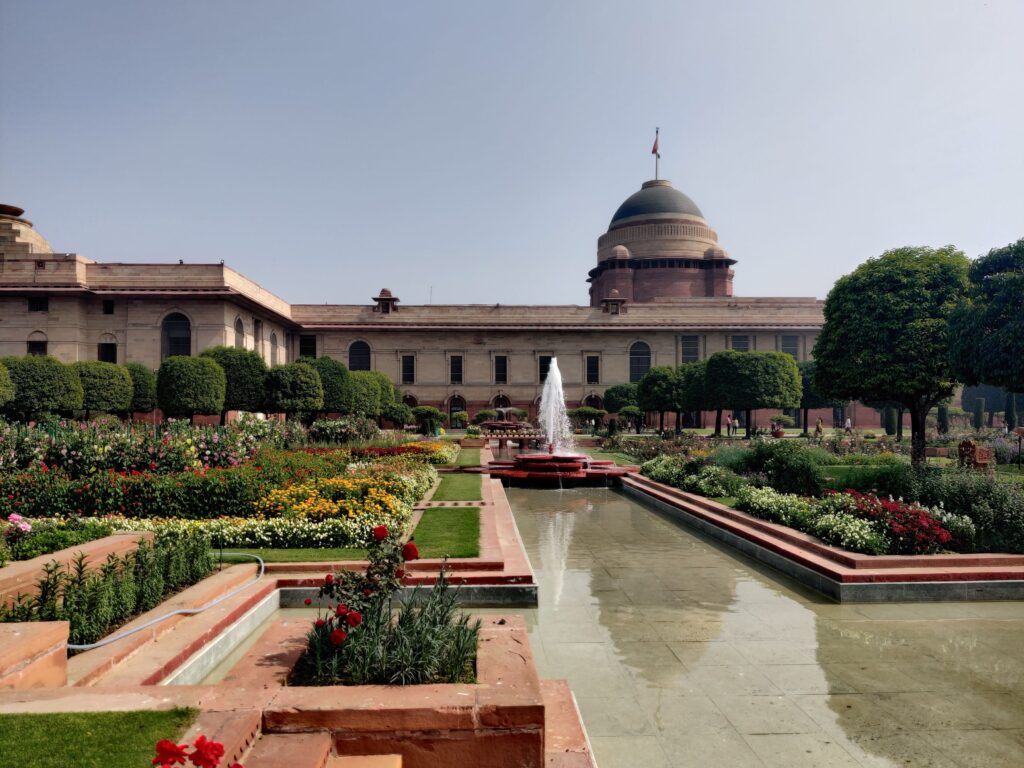
New Delhi is the administrative center of the country, meticulously designed by British architects in the 1920s and 1930sto serve as the capital. It is characterized by planned, spacious grand avenues and imposing colonial buildings. It is significantly quieter, cleaner, and filled with lush greenery and parks. This area houses government offices, state institutions and residential areas.
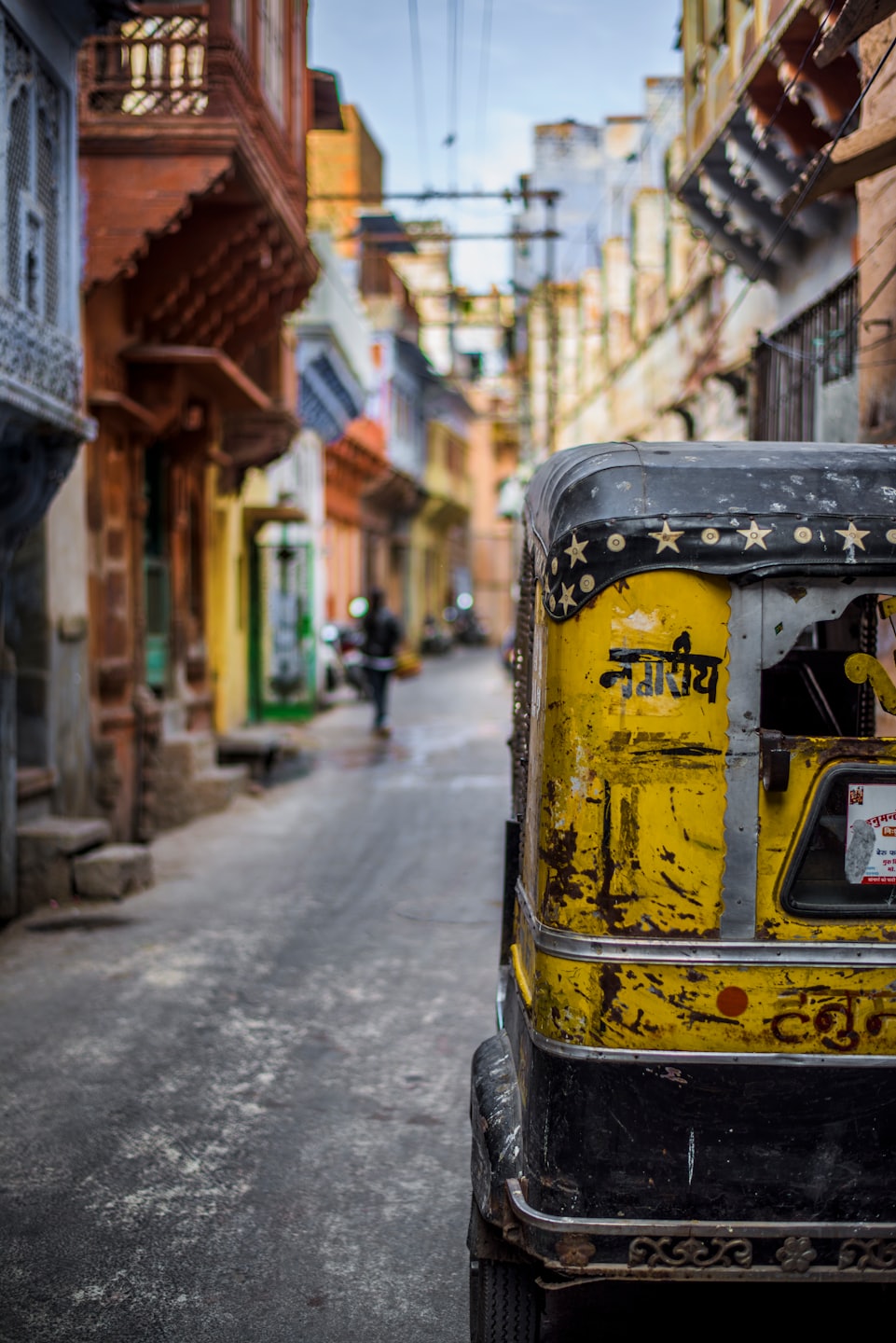
Old Delhi or Delhi, was founded in 17th century by the Mughal Emperor Shah Jahan and is enclosed by historic ramparts. You likely recognize it from viral photos and videos, it is defined by packed, incredibly narrow alleyways..
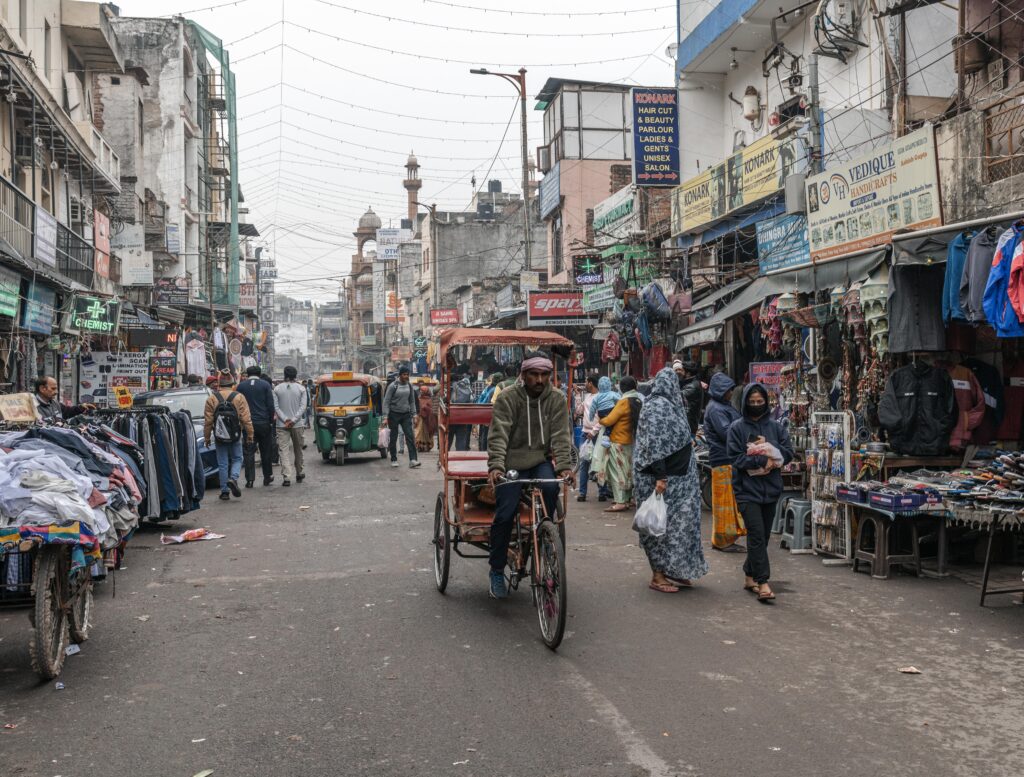
It is famous for its chaotic energy, historic street food, and bustling traditional bazaars, with the most legendary being Chandni Chowk.
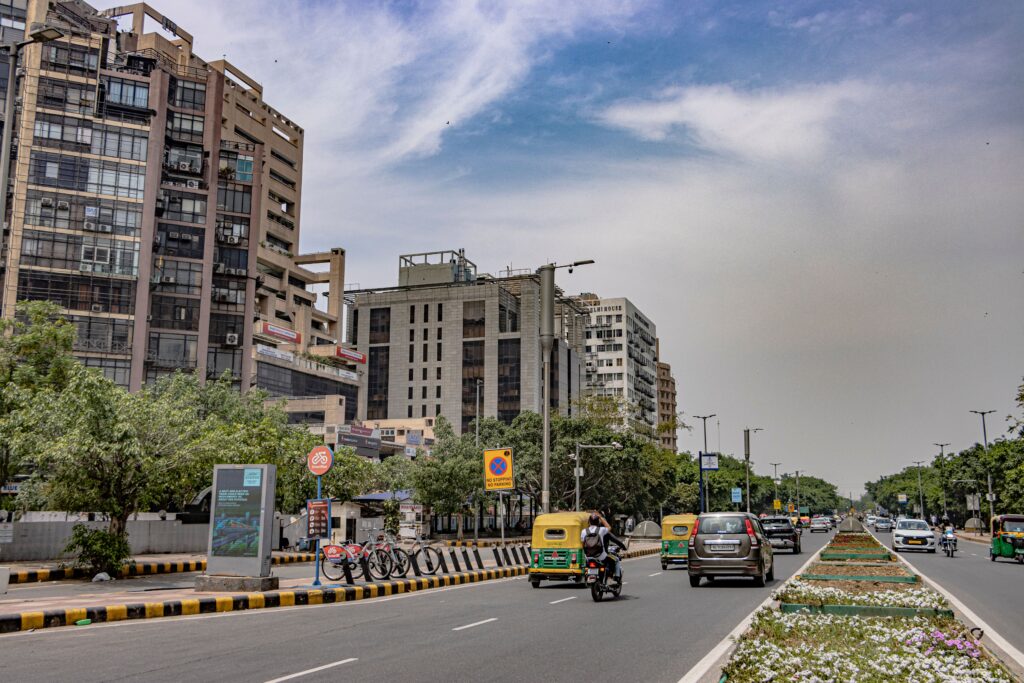
Delhi is wonderfully diverse. While life on certain streets might initially give you the impression of a developing country, this view instantly shifts to beautifully maintained, clean avenues lined with modern architecture, popular international brands, luxury hotels, and fine dining restaurants.
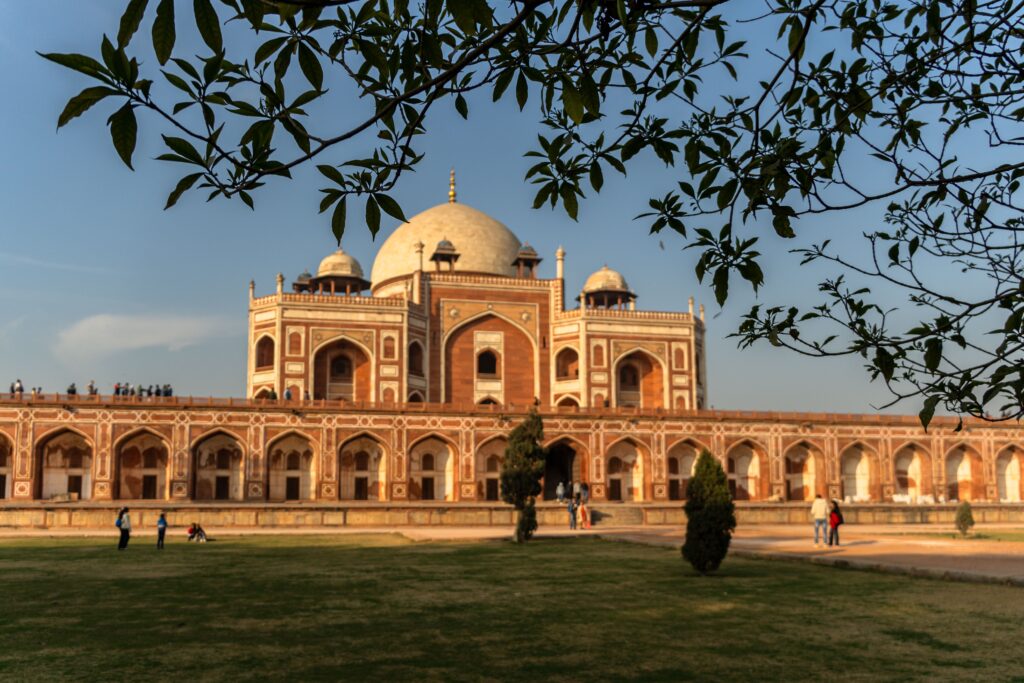
Furthermore, did you know that India is a secular country? Alongside the Hindu majority, it is home to large populations of Muslims, Christians, Sikhs, Buddhists, and Jains. Are you hearing about some of these for the very first time? Delhi is the absolute perfect place to discover them. Here, you can visit temples of entirely different faiths, often standing right next to each other. Have a look into Delhi: Part 2 – India’s Religions in One Place, of our Delhi series.
So, what is our top recommendation for your Delhi itinerary? Understand India through its contrasts. Visit the grandest landmarks, experience the humblest neighborhoods, and explore the rich tapestry of its faiths. Stay tuned to learn more in the upcoming parts of our Delhi series!
📞 If you are traveling to India and would prefer to leave the intricate planning of your journey to the experts, don't hesitate to contact us for a free consultation.
Leave a Reply