
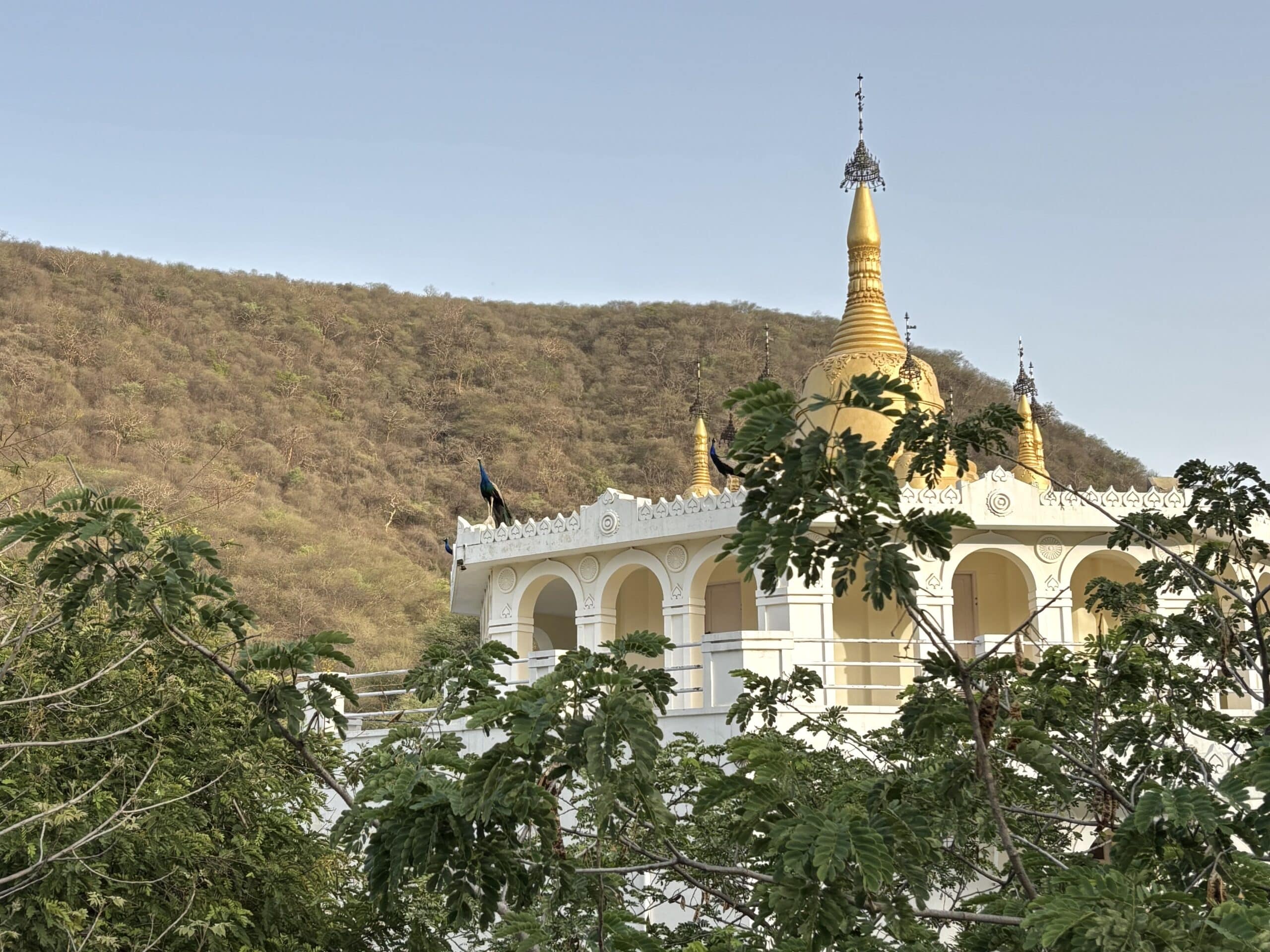
"Seeing Things as They Really Are."
Ten Days of Vipassana in Silence
When someone says, “I’m going on a silent retreat,” most of us immediately think of silence itself. No conversations, no phone, no social media, no messages, no noise from the outside world.
But after ten days of Vipassana, you begin to understand that silence is actually the easiest part.
The real experience happens within.
And it is not always comfortable.
Ten Days With Only Yourself
Vipassana is ten days during which you consciously disconnect from the outside world and are left, for the most part, entirely with yourself.
No phone. No internet. No books, music, writing, television, or everyday conversations. No easy escape into something that could temporarily occupy your mind.
And it is precisely then that you begin to notice things you can so easily overlook in everyday life.
Meditation hurts.
Your body hurts because it is not used to sitting in the same position for hours. But observing your own mind can be even more uncomfortable.
You begin to see how much it controls you. How constantly it creates thoughts, memories, worries, images, and reactions. How it can turn nothing into a problem, and a problem into an entire world.
And suddenly, there is nowhere to run.

Learning to Unlearn
For me, Vipassana was above all an experience of unlearning.
We live in a system that teaches us from childhood what we should do, where we should go, what we should achieve, and what should make us happy. Gradually, we develop routines, habits, expectations, and ideas about what life is supposed to look like.
And then we consider them normal.
Vipassana interrupts this automatic way of living, at least for a while.
Ten days without external stimulation show you how many things you do automatically. How many reactions arise without you consciously choosing them. And how much of what we consider to be “me” is actually just a learned way of responding.
That is precisely what makes the experience so powerful.
Not because someone tells us how we should live.
But because we are given the space to observe ourselves.
What Exactly Is Vipassana?
Vipassana is an ancient meditation technique originating in India that was rediscovered more than 2,500 years ago. Its name is often translated as “seeing things as they really are.”
Its purpose is not to create a pleasant meditative state or to escape from reality.
Quite the opposite.
It teaches us to observe reality exactly as it is.
An important part of the practice is observing physical sensations throughout the body and the way the mind reacts to them. We want pleasant sensations to last. We want unpleasant ones to disappear. In between, desire, aversion, and countless other reactions continuously arise.
Gradually, we learn simply to observe these reactions.
Without immediately acting on them.
Without needing to change everything.
Without allowing every sensation to carry us away.
And this is where one of the fundamental principles of Vipassana comes in — equanimity, or balance of mind..
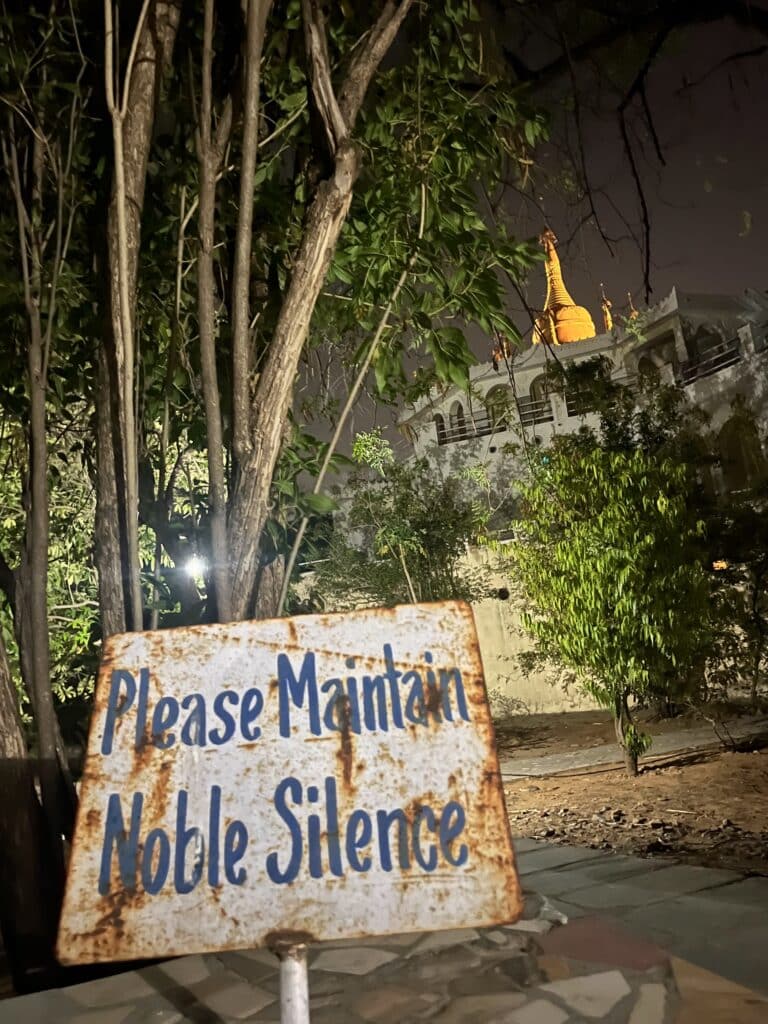
Ten Days, Three Stages
The course itself is highly disciplined and intensive. The ten days are structured into several stages that gradually build upon one another.
1. Calming the Mind
At the beginning, you learn to follow certain rules and refrain from external and internal distractions.
The aim is to create a space in which the mind can gradually become calm.
The first few days can, paradoxically, be the hardest. When we remove everything that normally distracts us, we discover just how loud our own inner world can be.
2. Observing the Breath
The next stage is to focus your attention on the natural breath.
Nothing is changed. The breath is not controlled or altered.
It is simply observed.
It sounds simple.
It isn't.
The mind constantly wanders somewhere else. To memories, plans, people, problems, food, home, or the question of how many hours remain until the next meditation.
And each time, you learn to come back.
To the breath.
To the present moment.
3. Vipassana
From the fourth day onward, the actual practice of Vipassana begins.
By this point, the mind is usually somewhat calmer and more focused. Attention gradually moves towards the physical sensations throughout the body.
Heat. Pressure. Tingling. Pain. Lightness. Tension.
And you learn one fundamental thing:
to observe without immediately reacting.
It is much harder than it sounds.
When something hurts, we want to move. When something feels pleasant, we want it to stay. Vipassana teaches us to observe both with the same calmness.
Because everything changes.
The pain.
The pleasant sensation.
The thought.
The emotion.
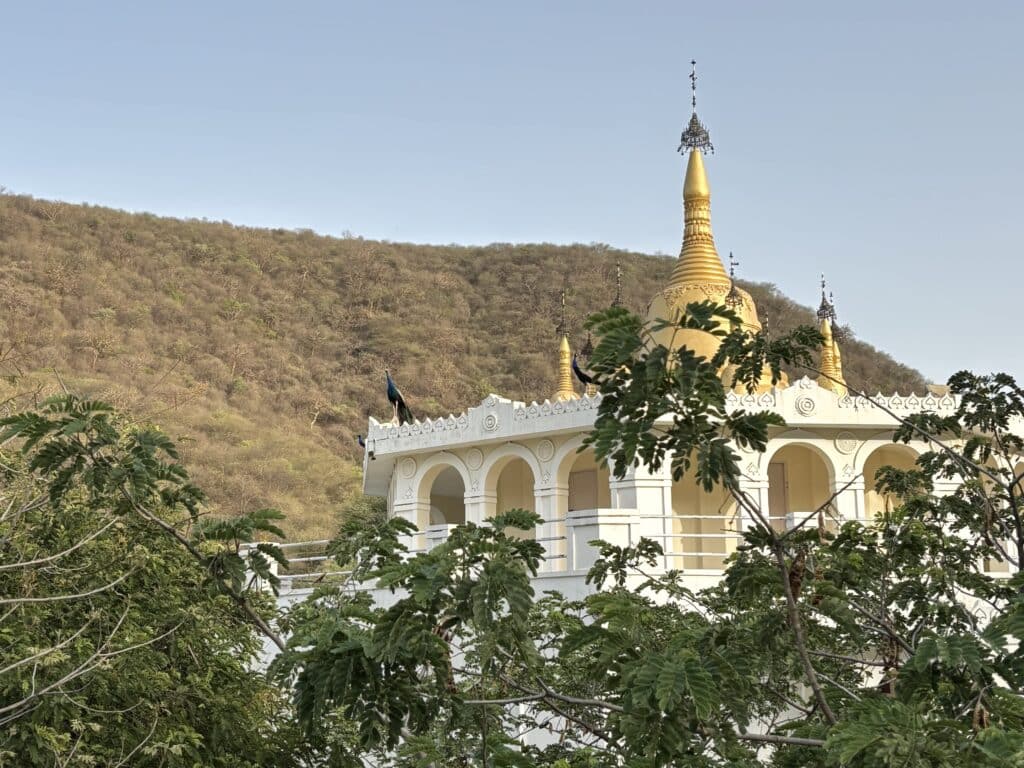
And Then Comes a Silence That Is No Longer Silent
After several days, the silence begins to change.
At first, it feels uncomfortable. Then strange. Eventually, it becomes natural.
You begin to notice sounds you would normally ignore. The wind. Birds. Footsteps. Your breath. Your own body.
And at the same time, you begin to realise that the greatest noise was never coming from outside.
It was within.
That was when I understood just how valuable silence can be.
Not as an escape from life.
But as a way of returning to it for a while, without everything that normally covers it up.
Metta — When the Journey Turns Outward
At the end of the course comes Metta, a meditation of loving-kindness.
After days of intensely observing yourself, your attention once again turns outward — towards other beings.
The idea is simple: what we have cultivated within ourselves during the course is not something we want to keep only for ourselves.
Peace.
Kindness.
Compassion.
Goodwill.
And perhaps that is why Metta is such a beautiful way to complete the experience.
Vipassana is not about closing yourself off from the world.
It is about being able to return to the world with a calmer mind.
What I Took Away After Ten Days
I did not leave the course as a “new person.”
And I don't think that is the point.
Vipassana is not a magical solution to everything that troubles us in life. Ten days of meditation do not mean that from that moment on you will never be angry, sad, stressed, or irritated again.
For me, something else was far more important.
I was given a tool.
A tool that I can use every day to observe my mind, my body, and my reactions.
And the more you practise, the better you can recognise the moment between what happens and how you choose to respond to it.
That space is where freedom begins.
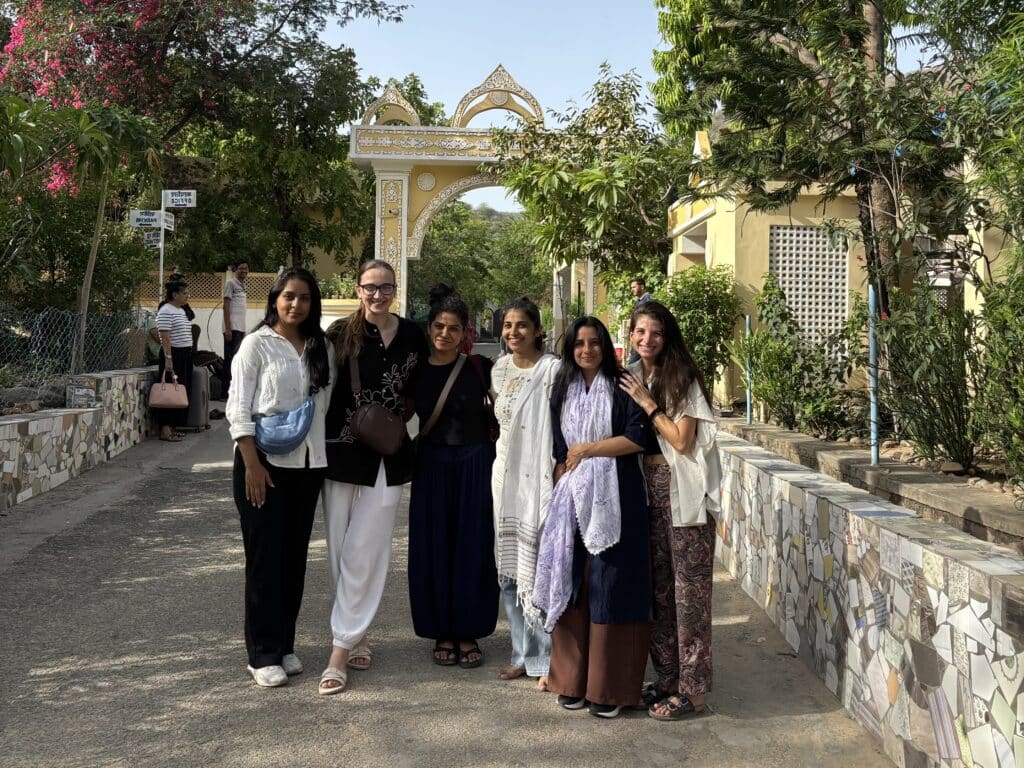
Seeing Things as They Really Are
Today, I see Vipassana as a way of strengthening the inner self, much like we strengthen the body through exercise.
We train the body to make it strong.
And the mind?
It needs training too.
Vipassana taught me that I do not have to believe every thought that appears. I do not have to immediately react to every sensation. I do not have to run away from what is uncomfortable, nor desperately hold on to what feels good.
Everything comes.
Everything goes.
And in between, we have the opportunity to observe.
Perhaps that is why I keep returning to this experience.
Not because I want to escape from life.
But because I am learning to see life as it really is.
And perhaps myself, too.
Without the noise.
Without automatic reactions.
Without the need to change everything immediately.
Just observe. Breathe. And be.
Leave a Reply