

What first-time travellers often believe about India, and what you may discover when you actually visit.
India has a reputation for being chaotic, dirty, difficult and only suitable for the most adventurous travellers.
But India is incredibly diverse, welcoming, comfortable, beautiful and surprisingly easy to travel when you know where to go and how to plan your journey.
After spending years living in India, I have heard many of the same concerns from people who are considering their first trip.
So let's talk about some of the most common myths.
1. "India is dirty."
Says someone who has never visited it.
Now, let's be perfectly honest with each other.
Is there rubbish in India?
Yes.
In some areas of some cities, absolutely.
India is home to more than a billion people, and some of its cities have enormous populations and extremely high population density. Waste management and public infrastructure don't always keep up with the scale of the cities, and sometimes public spaces are not maintained to the standard visitors might be used to.
But does that mean India is a dirty country?
Absolutely not.
The mistake is taking one image of India, perhaps a crowded street or something you've seen in a Reel, and assuming that it represents the entire country.
It doesn't.
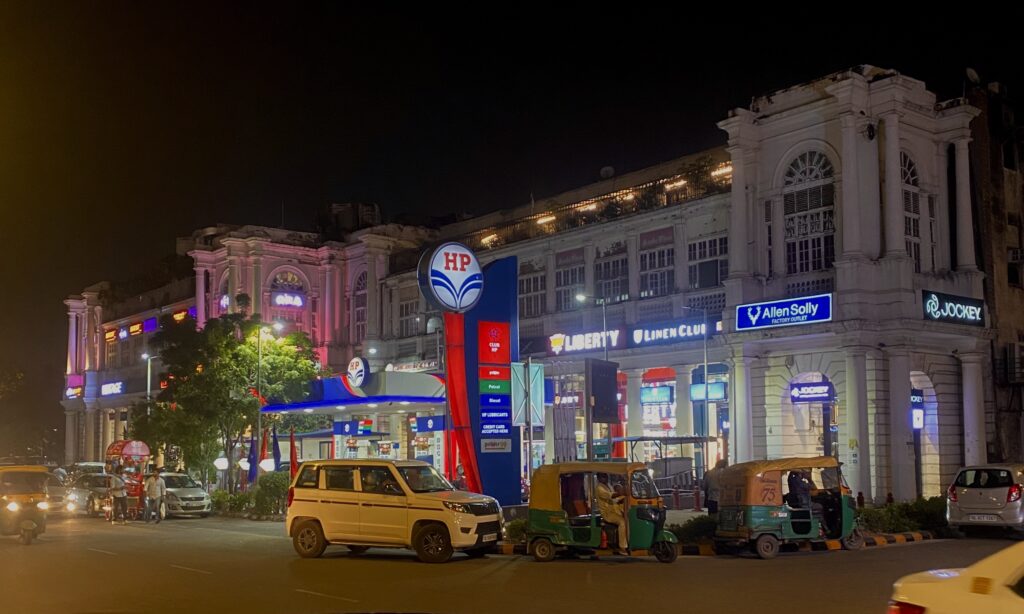
Take Delhi. Many people arrive imagining a city of dusty streets and chaotic traffic everywhere. But Delhi is enormous, and the experience can change dramatically depending on where you are.
You can explore historic neighbourhoods, busy markets and old streets, but you can also find modern parts of the city with beautiful restaurants, cafés, galleries, shopping areas, green spaces and excellent hotels.
The same is true across India.
You can find busy, chaotic streets alongside beautifully maintained roads, gardens, palaces and heritage properties.
And yes, street cleaning does happen every day in Indian cities, although the results naturally vary from one area to another.
The important thing is knowing where to go.
This is one of the reasons having local knowledge can make such a difference when travelling in India. The right accommodation, neighbourhoods, restaurants and experiences can completely change how you experience the country.
India doesn't need to be experienced through the most chaotic places.
You have a choice.
2. "Hotels in India aren't clean."
Let's stop here for a moment.
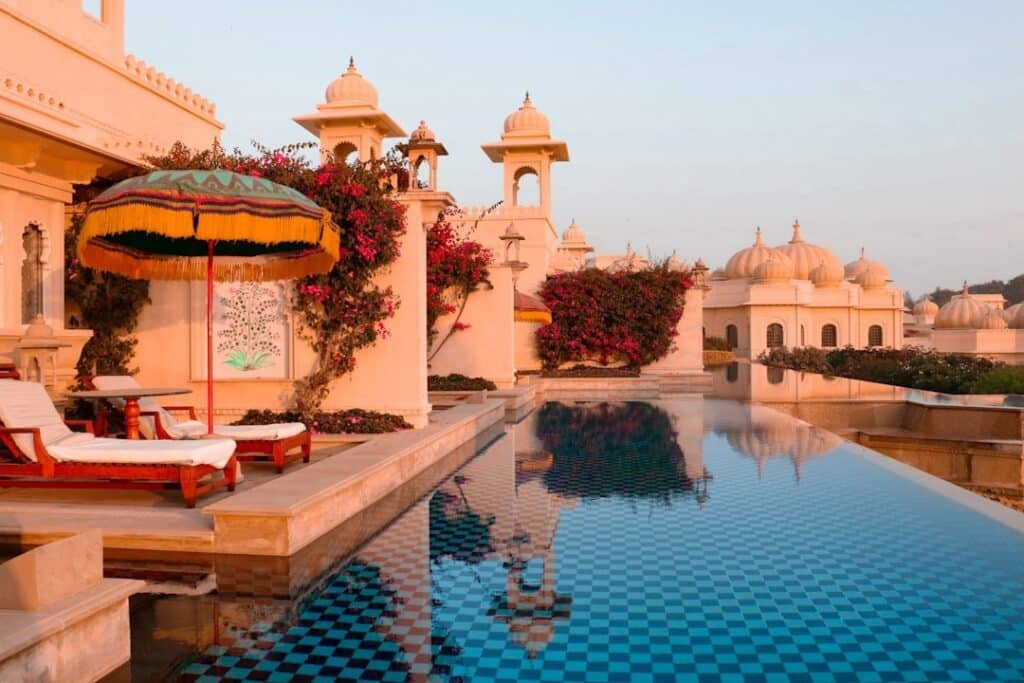
India has some of the most extraordinary hotels in the world.
In Rajasthan, royal state of India, you will find grand heritage palaces, beautifully designed boutique properties. Accommodation comes with exceptional service, beautiful interiors and very high standards of hospitality.
In some of India's palace hotels, you can even experience the kind of personal service, including traditional butler service, that is becoming increasingly rare elsewhere in the world.
And the best part?
India can offer remarkable value.
A stay in an iconic luxury palace hotel can sometimes cost around €100–200 per room per night, depending on the property, season and room category.
In many parts of Europe, that budget might not get you the same level of property or service.
But you don't have to spend €200 a night to have a comfortable stay.
There are also many excellent boutique properties in the €50+ range, offering clean rooms, beautiful design, genuine hospitality and comfortable standards.
Of course, not every hotel in India is perfect.
Just like anywhere else, accommodation varies enormously in quality.
Choosing the right place to stay can shape your entire experience of India.
This is why accommodation should be selected according to the destination, your expectations and your budget, not simply by choosing the cheapest option or the highest number of stars.
3. "India is only for adventurous backpackers."
This might be one of the biggest misconceptions of all.
India is enormous — geographically, culturally and in terms of the experiences it offers.
You can have a completely different holiday depending on where you go.
Beach holiday?
Goa, Kerala, the Andaman Islands.
Mountains?
Himachal Pradesh, Uttarakhand, Kashmir.
Wildlife and safari?
Rajasthan, Madhya Pradesh, Karnataka.
Desert?
Rajasthan.
History and architecture?
Delhi, Agra, Jaipur, Jodhpur, Udaipur and countless other cities.
Adventure?
Trekking, rafting, diving, wildlife safaris and much more.
Relax?
Beach resorts, Ayurveda retreats, yoga retreats and beautiful countryside stays.
India can be an adventure.
But it can also be a very comfortable holiday.
You can travel with a private driver, stay in beautiful hotels, have guides arranged for you and follow a carefully designed itinerary, even without sacrificing authentic experiences.
And India isn't only for couples or backpackers.
Families can have an incredible time here too.
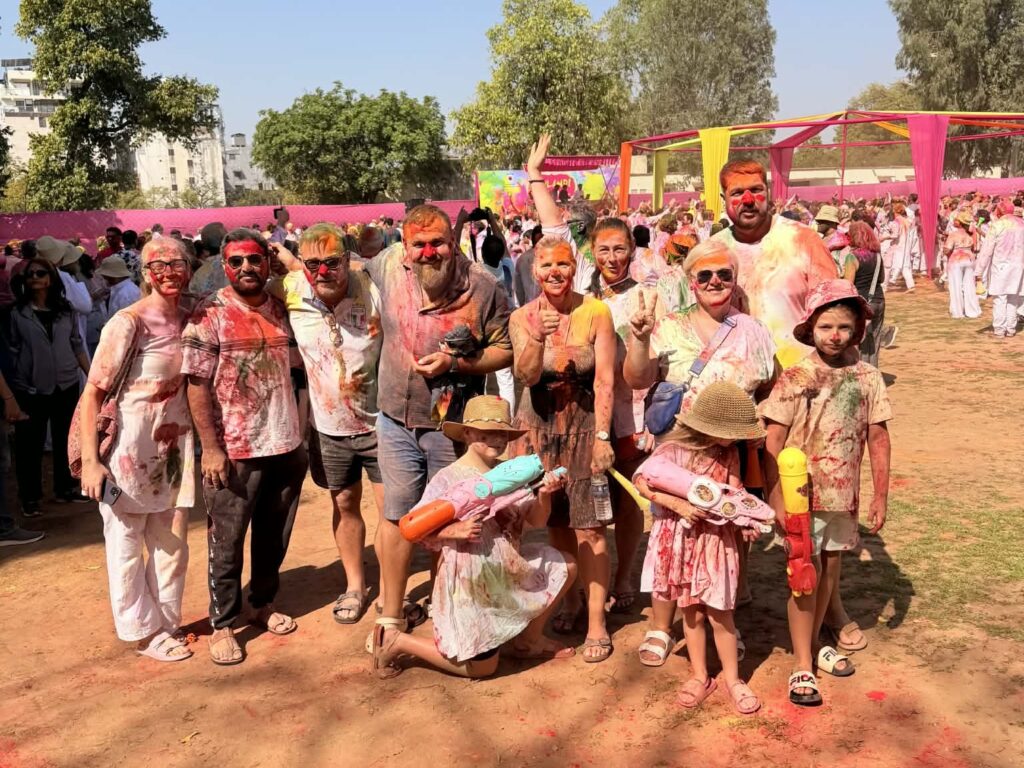
Children might remember throwing colours during Holi, riding a camel in Rajasthan or seeing an elephant in the wild far longer than they remember another ordinary family holiday.
India doesn't have one type of traveller.
With the right planning, you can create a trip that fits you.
4. "Indian food is always spicy."
This one is partly a misunderstanding of what we mean by "spicy."
Indian cuisine uses an enormous variety of spices, herbs and cooking techniques.
Spiced doesn't necessarily mean hot.
And India doesn't have one single cuisine.
Rajasthani food is different from Punjabi food.
Gujarati food is different from Bengali food.
South Indian cuisine is completely different again.
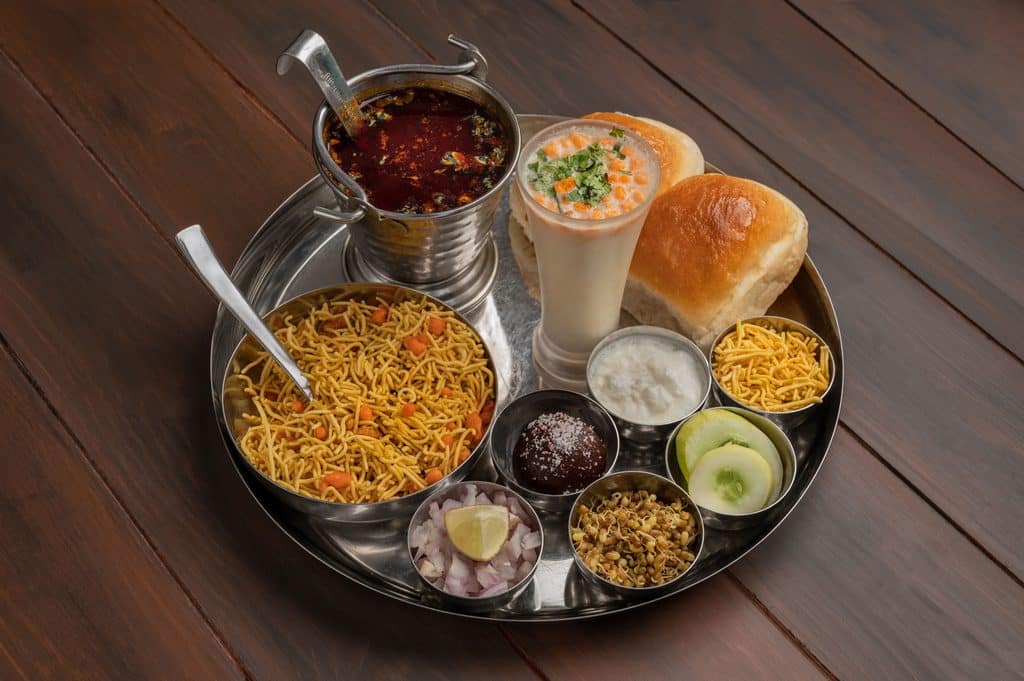
Goan, Kashmiri, Kerala, Maharashtrian and other regional cuisines all have their own ingredients, traditions and flavours.
And if you don't enjoy chilli, that's absolutely fine.
You can ask for your food to be less spicy or without chilli and many restaurants are very used to adjusting dishes for international travellers.
There are also plenty of dishes based around yoghurt, paneer, cream, lentils, rice and vegetables that can be much milder.
And in hotels and many restaurants, you will also find continental and international options.
My advice?
Don't spend your entire trip afraid of Indian food.
Just tell people what you like and let yourself discover how incredibly diverse Indian cuisine really is.
5. "Street food in India isn't safe."
I'm not going to tell you to eat absolutely anything you see on the street.
But I'm also not going to tell you to avoid Indian street food completely.
Street food is part of the Indian experience.
The trick is knowing what to choose.
Don't simply pick a random stall because it looks interesting.
Look at where the locals are eating.
Choose places with a high turnover of food, where dishes are being prepared fresh and served hot.
And don't be afraid to ask your local guide, driver or hotel staff where they would personally eat.
One of my favourite tips for first-time visitors is to look for a well-known local sweet shop. (Mithai Bhandar)
Almost every Indian city has its famous sweet shops, and many of them serve much more than sweets. You can often find samosas, kachoris, chaats and other local specialities prepared fresh throughout the day.
Instead of following a random viral Reel telling you where tourists should eat, ask someone who actually lives there.
Follow the locals, not the tourists.

So, what is India really like?
The truth is that India can be many things at once.
It can be chaotic and peaceful.
It can be dusty in one street and beautifully maintained in the next.
It can be a backpacking adventure, a family holiday, a beach escape, a cultural journey, a wildlife trip or a comfortable boutique getaway.
There isn't one "right" way to experience India.
And you don't have to choose between uncomfortable backpacking and ultra-luxury travel.
There is a huge world in between.
Comfortably. Authenticly. Locally.
That's the kind of India we love to create journeys around.
Because the goal isn't to protect you from the real India.
It's to help you experience the right India for you.
Leave a Reply