
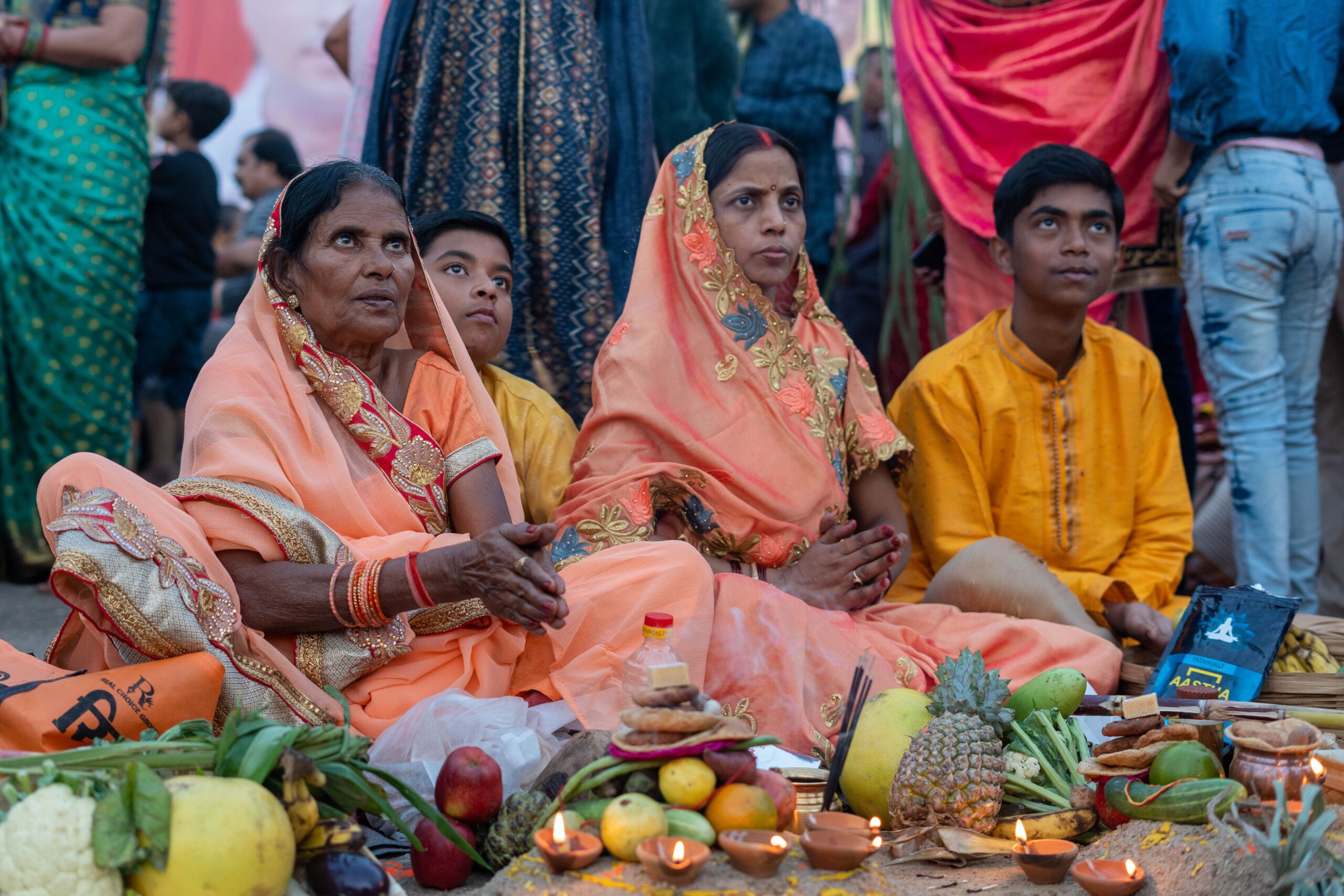
If you read the first article in our Delhi series,you already know that India is a secular country. Alongside the Hindu majority, it is home to large populations of Muslims, Christians, Sikhs, Buddhists, and Jains. Are you hearing about some of these for the very first time? Delhi is the absolute perfect place to discover and understand these diverse faiths.
Hindu Temples in Delhi
Even one of India's oldest ancient epics, the Mahabharata, mentions Delhi under the name Indraprastha—a city built with the assistance of Lord Krishna. In fact, archaeological evidence dating back to 1200–800 BCE has been discovered around the Purana Qila (Old Fort) area.
Although the earliest written records state that Delhi was founded by Rajput Hindu kings, the city came under Muslim rule starting in the 12th century.Later, in 1911, the capital of the British Raj was relocated from Calcutta to Delhi. Due to this turbulent history, no massive ancient Hindu temples have survived in Delhi. However, there are magnificent modern ones that you can visit:
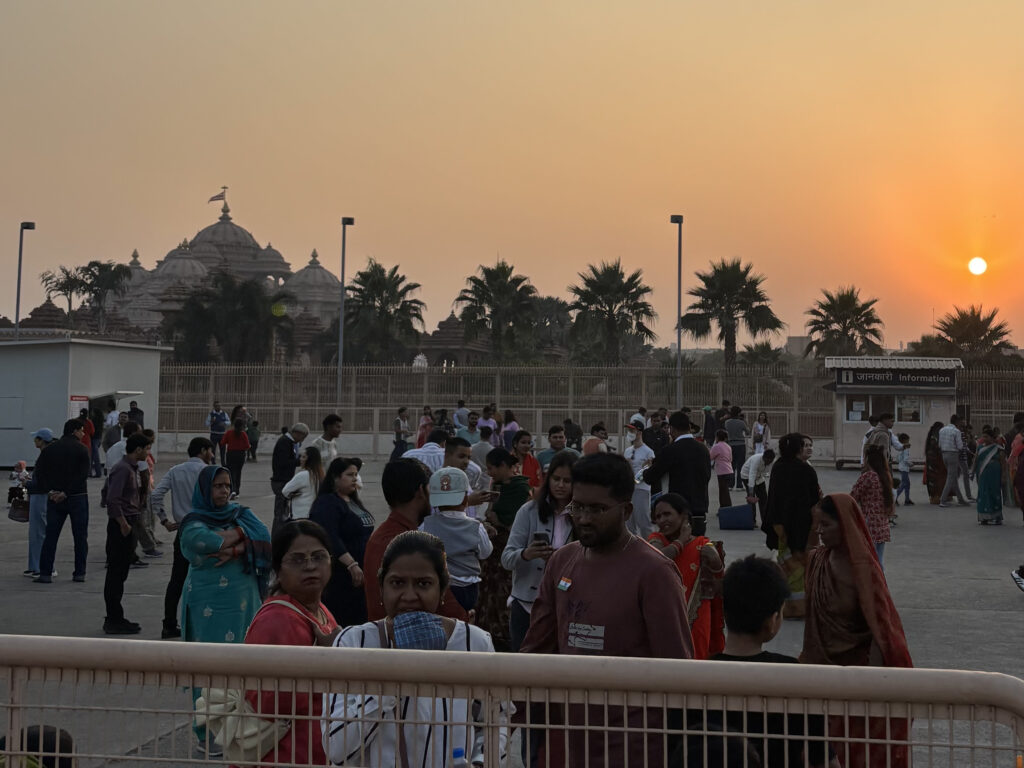
Swaminarayan Akshardham Temple
This breathtaking temple complex was built in 2005 in strict accordance with ancient architectural texts (Shilpa Shastras and Vastu Shastra). Although constructed in the modern era, it was built using traditional techniques that machines simply cannot replicate. More than 11,000 artisans contributed to its construction, which took. Jeho stavba trvala 5 years to complete.Thanks to these ancient building methods, the temple is designed to stand for at least 1,000 years.
The temple is dedicated to Bhagwan Swaminarayan,a prominent Indian yogi. He is famous for leaving his home at the age of 11 to embark on a 7-year, barefoot journey across the entirety of India and Nepal.
In 2007, Akshardham in Delhi was featured in the Guinness World Records as the "Largest Comprehensive Hindu Temple in the World".Recently, in 2023, it was surpassed by the Akshardham complex in New Jersey, USA.
💡 Our Tips for Visiting: The complex is immense. It opens at 10:00 AM, which is also the ideal time to arrive. If you manage to be among the first visitors, you will experience it in a beautifully serene and peaceful atmosphere. Important: The temple is closed on Mondays. Entry is free,.
Security: There is a very strict security screening at the entrance. You cannot bring any electronics (phones, cameras), food, drinks, alcohol, cigarettes, or large bags and backpacks inside. It is ideal to bring only your passport and money. Both men and women must ensure their shoulders and knees are covered..
Birla Mandir
Also known as Lakshmi Narayan TempleThis Hindu temple is dedicated to the goddess Lakshmi (the goddess of wealth) and Lord Narayan (an incarnation of Lord Vishnu). It was constructed between 1933 and 1939 by the prominent industrialist Birla family. The temple is built from white marble and red sandstone in a beautiful, traditional Hindu architectural style.
The temple was officially opened by Mahatma Gandhi. However, he agreed to inaugurate it only on the condition that it would be accessible to people of all castes.This powerful act transformed the temple into an enduring symbol of social equality.
💡 Our Tips for Visiting: Taking photos is strictly prohibited inside. You must leave your phone locked in a locker before entering. We enter the temple completely barefoot.For international travelers, there is a cloakroom located to the left, just past the main gate, where you can safely store your shoes and phones. Entry is free.You can make a voluntary donation in the designated collection boxes, or leave a symbolic tip for the gentleman guarding the footwear.

Islam: Mosque Jama Masjid
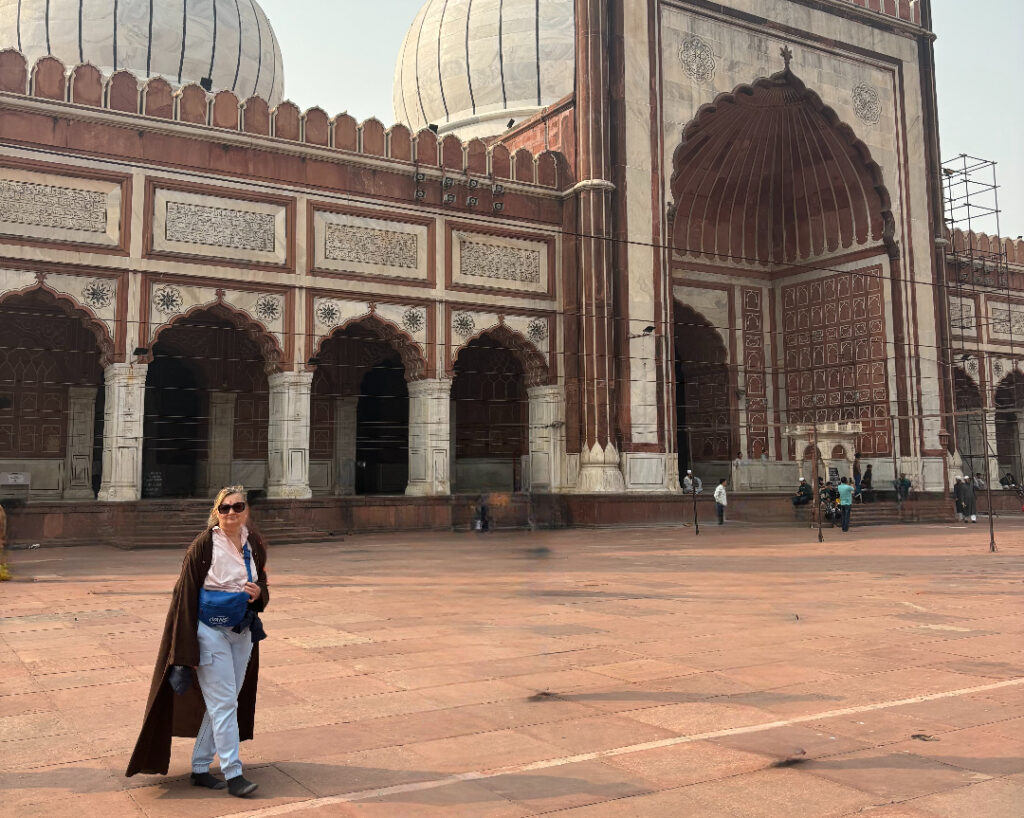
Jama Masjid in Delhi is one of the largest mosques in India,built in 1656 by Emperor Shah Jahan of the Muslim Mughal dynasty. It has an incredible capacity to hold up to 25,000 worshippers at a single time.
The mosque is located in Old Delhi. Since Old Delhi was founded by a Mughal ruler, it maintains a higher concentration of Muslim residents to this day. It is a part of Delhi that appears very humble and chaotic at first glance, a place where the city truly attacks all of your senses.
💡 Our Tips for Visiting: You are required to have your entire arms and legs covered upon entry. Women must cover their hair as well. If you forget or don't have appropriate clothing, robes will gladly be rented to you at the entrance for a symbolic fee. You must remove your shoes before entering. Entry fee is 400,- INR for foreigners. The floor in and around the mosque can be quite dirty, so if walking completely barefoot feels uncomfortable, be sure to pack shoe covers or an old pair of socks.
Open daily from 8:00 AM until sunset. The mosque is closed to tourists between 12:00 PM and 1:30 PM during daily prayers. The most magical atmosphere is right before sunset,which is when we highly recommend visiting. Be prepared for massive crowds if you go on a Sunday. Watch out for tourist scams in the surrounding area. Keep your guard up and stay firm if anyone tries to hassle you.
Jain Temple: Sri Digambar Jain Lal Mandir
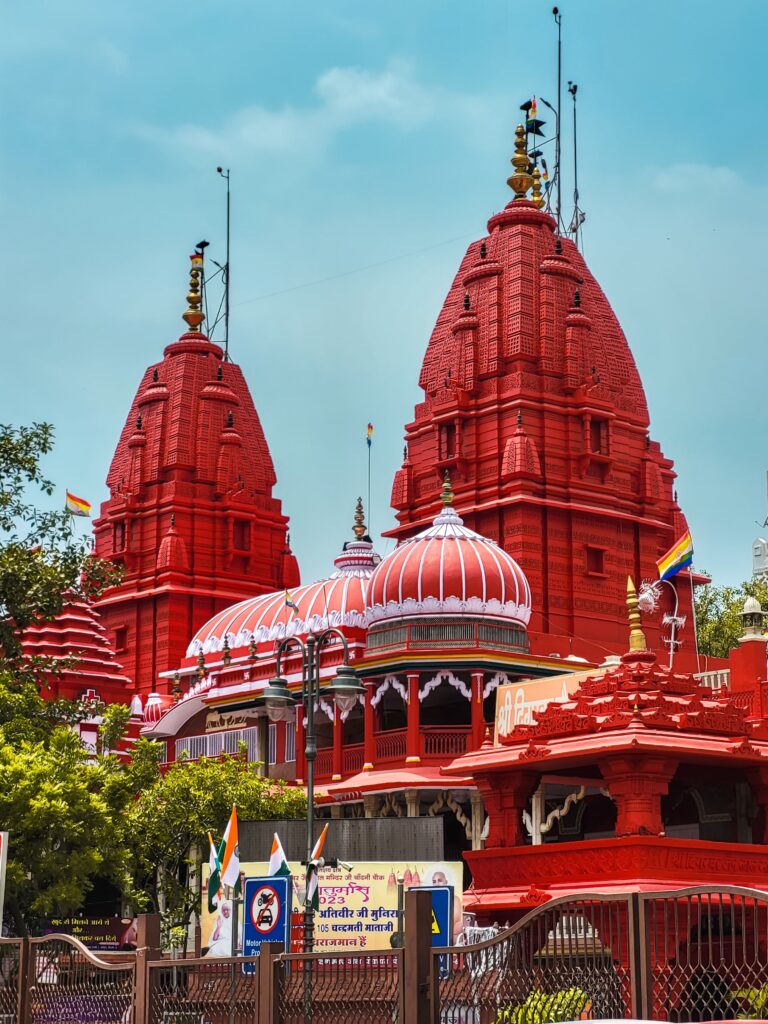
Located in Old Delhi right at the entrance of the chaotic Chandni Chowk market, Sri Digambar Jain Lal Mandiris the most famous Jain temple in Delhi. It is a place, where the overwhelming rush of Old Delhi suddenly slows down. Just a few steps from the Red Fort, you will find yourself inside a serene red sandstone temple filled with quiet devotion and the soft hum of prayers. A fascinating feature of this complex is its Charity Birds Hospital located right on the premises, which perfectly reflects the core philosophy of compassion toward all living beings.
Jainism is one of India's oldest religions, placing supreme emphasis on non-violence (ahimsa) and absolute respect for every living creature. Its followers believe in spiritual purity, karma, and the liberation of the soul through self-discipline, truth, and deep empathy.
We enter the temple barefoot..
Sikh Temple: Gurudwara Bangla Sahib
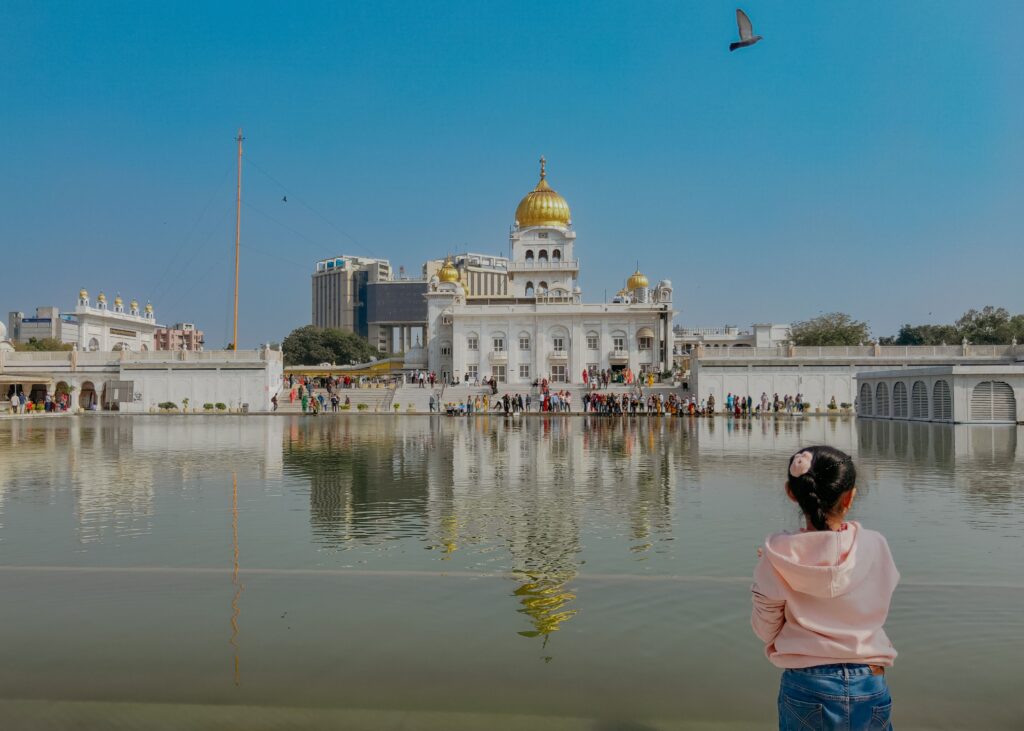
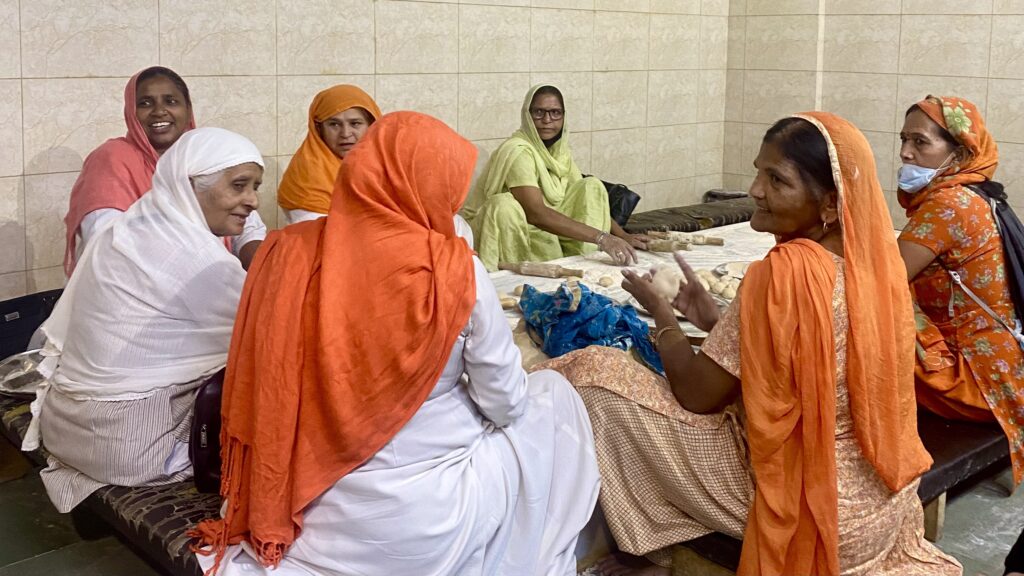
Gurudwara Bangla Sahib is one of the most important Sikh temples in Delhi, renowned for its stunning white marble architecture and peaceful atmosphere. The temple is dedicated to the eighth Sikh Guru, Guru Har Krishan, who stayed here in the 17th century and helped heal people during a devastating smallpox and cholera epidemic. The water in the sacred pool inside the complex, known as Amrit, is believed to possess healing properties.A highlight of visiting is the Langar — a massive community kitchen and dining hall where free, hot vegetarian meals are served to anyone who walks in,regardless of their religion, caste, or background. Voluntarily run by helpers, this kitchen serves up to 30,000 mealsevery single day, and up to 50,000 during weekends..
💡 Our Tips for Visiting: When touring the Langar kitchen, you are welcome to step in and help prepare the meals (like rolling traditional flatbreads). You can also sit down in the dining hall to taste the delicious food yourself.Meal services happen three times a day: morning, afternoon, and evening, so check the exact timings before you go.
Entry is free,The Gurudwara operates entirely on donations, so you can voluntarily contribute any amount you like. Foreigner’s Office: Before entering, look for the dedicated Foreigner’s Office near the entrance, where you can safely store your shoes and bags for free. Both men and women must have their legs, arms, and heads covered. Headscarves are available to borrow if you don't have your own. Photography is strictly prohibited inside the main prayer hall. However, photos are allowed in the outside courtyard, around the sacred pool, and inside the kitchen/dining area.
Baháʼí Temple: The Lotus Temple
Built in 1986, the Lotus Temple is a striking modern temple designed in the shape of a blooming lotus flower.It belongs to the Baháʼí Faith, a religion centered on unity, but it welcomes people of all faiths and backgrounds to enter and pray. Inside, you will be struck by absolute silence. There are no loud rituals, sermons, or specific religious symbols. Just a vast, tranquil space dedicated to silent prayer and meditation.
💡 Our Tips for Visiting: Entry is free,through a security screening. You are not allowed to bring cigarettes, lighters, alcohol, food, drinks, or large backpacks and suitcases. Visitors are let inside the main hall in managed groups for a few minutes at a time to maintain peace and order. You must remove your shoes before entering the temple area.The temple is closed on Mondays..

Buddhism: Vishwa Shanti Stupa
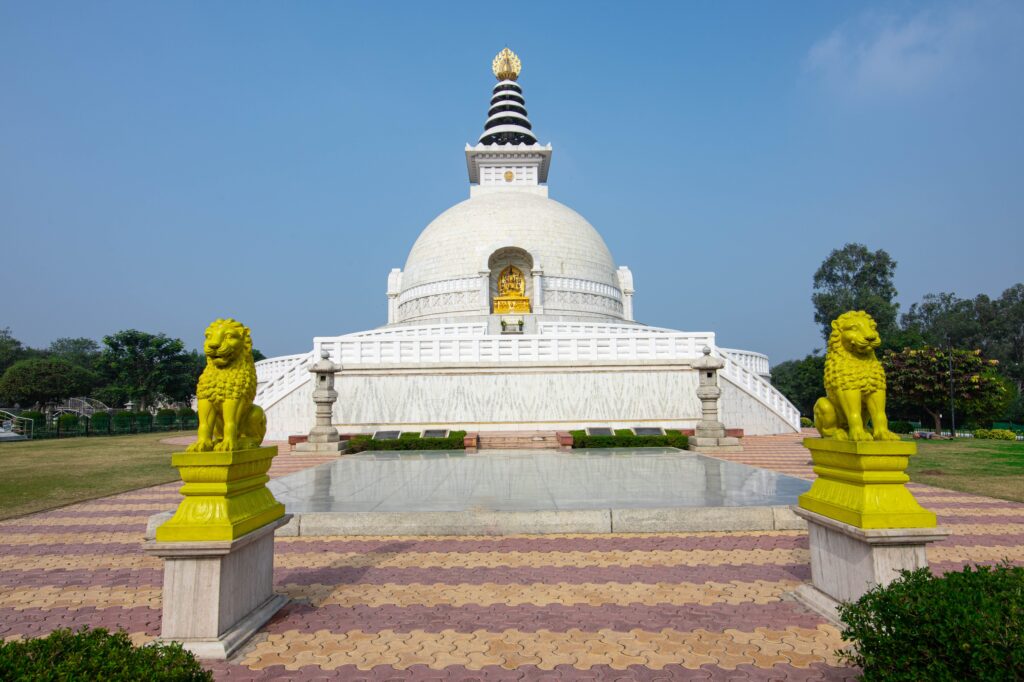
The Vishwa Shanti Stupa (World Peace Pagoda) is a modern Buddhist monument built in 2007, featured as an iconic white dome. Although it is a Buddhist structure, its gates are open to everyone, offering a serene place for people of all faiths and backgrounds to gather, reflect, and meditate.
The stupa is located in the middle of the sprawling Indraprastha Park, surrounding you in surprising, total silence. It serves as the escape from Delhi's chaotic city life. You won't find huge tourist crowds here; instead, you are greeted by a tranquil place perfect for a quiet walk or meditation. Around the stupa, you can admire five golden statues of the Buddha, each depicting major stages of his life.
💡 Our Tips for Visiting: Entry to both Indraprastha Park and the stupa is completely free,, though you will pass through a standard security checkpoint at the entrance. Weapons, alcohol, drones, and large luggage are strictly forbidden inside the grounds.You must remove your shoes before stepping onto the stupa's upper platform. The park and stupa complex are closed on Mondays. We highly recommend visiting in the late afternoon to catch the sunset, when the golden light against the white dome creates a truly magical atmosphere.
If you’d like to discover more about the essential monuments and sights we recommend visiting in Delhi, be sure to read Part 3 of our Delhi series.
So, what is our top recommendation for your Delhi itinerary? Understand India through its contrasts. Visit the grandest landmarks, experience the humblest neighborhoods, and explore the rich tapestry of its faiths. Stay tuned to learn more in the upcoming parts of our Delhi series!
📞 Planning a trip to India? If you’d prefer to leave the intricate details of your journey to the experts, don't hesitate to contact us for a free consultation.
Leave a Reply